

The Hidden Cost of Unpaid Invoices for Small Businesses
Discover how unpaid invoices affect cash flow, forecasting, productivity, and business growth - and what companies can do to reduce payment delays.
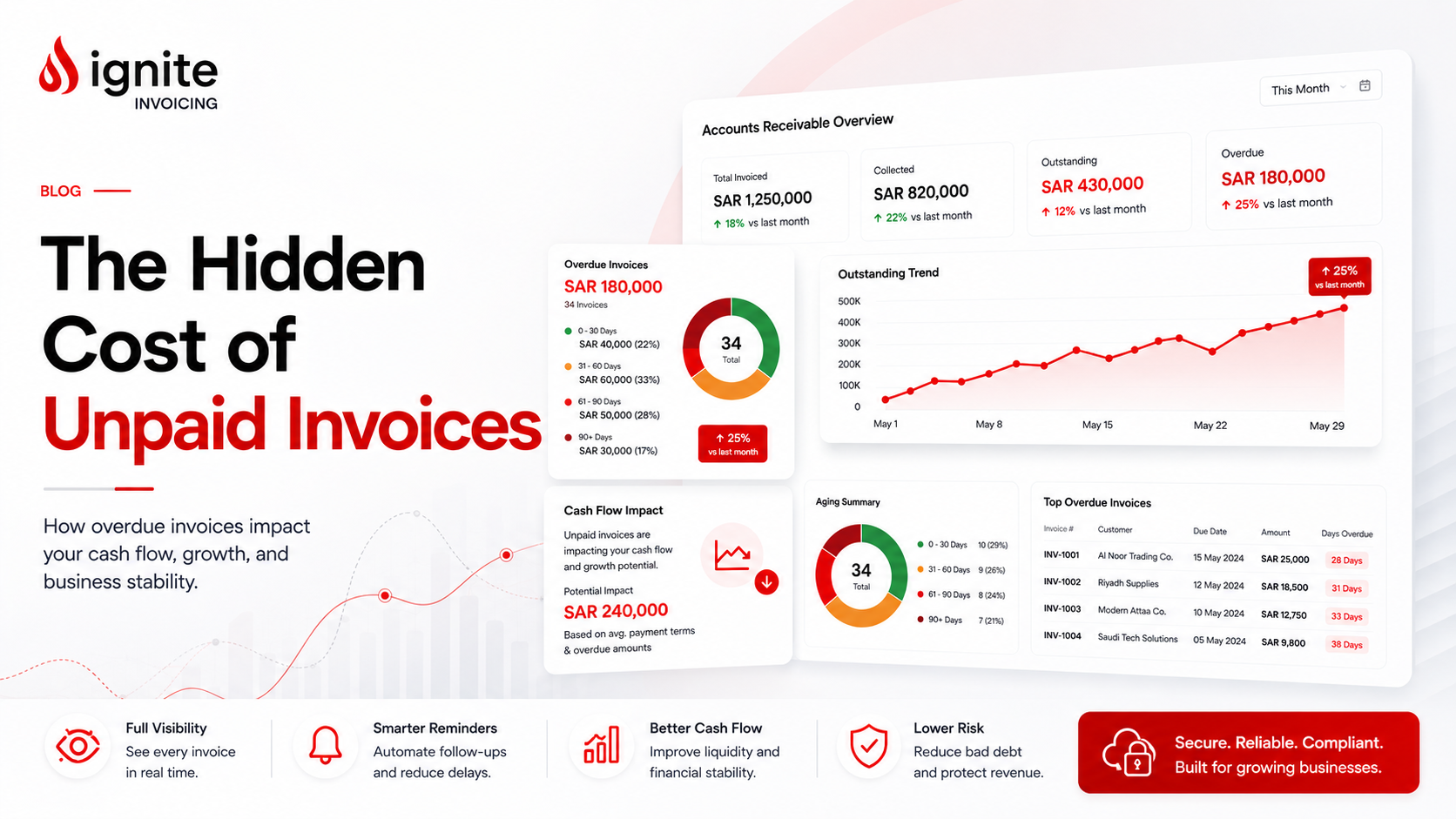
When business owners think about unpaid invoices, they often focus on the outstanding amount itself.
A $2,000 invoice remains unpaid. A $5,000 balance is overdue. A client hasn't responded to payment reminders.
While these situations are frustrating, the true cost of unpaid invoices extends far beyond the invoice value.
Overdue payments can create operational, financial, and strategic challenges that impact the entire business.
Revenue Is Not the Same as Cash
Many businesses celebrate revenue milestones without considering when payments will actually arrive.
An invoice may represent earned revenue, but until payment is received, the cash is unavailable.
This distinction is important because businesses operate on cash - not invoices.
Expenses such as payroll, software subscriptions, marketing, rent, and equipment purchases require actual funds, not future promises of payment.
Cash Flow Becomes Less Predictable
One unpaid invoice may not seem significant.
However, multiple overdue invoices can quickly create uncertainty.
Business owners may struggle to answer questions such as:
How much cash is available? What payments are expected this month? Can new investments be made confidently? Is hiring financially feasible?
Reliable cash flow depends on reliable collections.
Administrative Costs Add Up
Overdue invoices often create additional work.
Teams may spend time:
- Sending reminders
- Following up by email
- Making collection calls
- Updating spreadsheets
- Reconciling payment records
The labor associated with collecting overdue payments represents a hidden operational cost that many businesses underestimate.
Growth Opportunities May Be Delayed
When cash is tied up in outstanding receivables, businesses may postpone:
- Hiring decisions
- Marketing campaigns
- Technology upgrades
- Equipment purchases
- Expansion initiatives
In some cases, delayed payments can slow growth more than declining sales.
Customer Relationships Can Become Strained
Repeated collection efforts may create tension between businesses and customers.
A proactive invoicing process with clear payment expectations and automated reminders often helps reduce these situations before they become problematic.
How Businesses Can Reduce Unpaid Invoices
Several best practices can improve collection performance:
Invoice Promptly
The sooner invoices are sent, the sooner the payment cycle begins.
Use Clear Payment Terms
Customers should understand due dates, payment methods, and expectations from the start.
Automate Payment Reminders
Consistent reminders help keep invoices top of mind without increasing administrative workload.
Monitor Receivables Regularly
Tracking outstanding balances allows businesses to identify potential issues early.
Standardize Follow-Up Processes
A consistent collection workflow improves accountability and reduces delays.
Conclusion
Unpaid invoices affect much more than monthly revenue figures.
They influence cash flow, productivity, forecasting, growth opportunities, and overall business stability.
By strengthening invoicing processes and improving receivables management, businesses can reduce overdue payments and create a healthier financial foundation for long-term success.
Call to Action
Ignite Invoicing helps businesses streamline invoicing, automate reminders, and improve payment visibility - making it easier to reduce overdue invoices and strengthen cash flow.